
Can Cataracts Return After Surgery? Everything You Need to Know
August 29, 2026

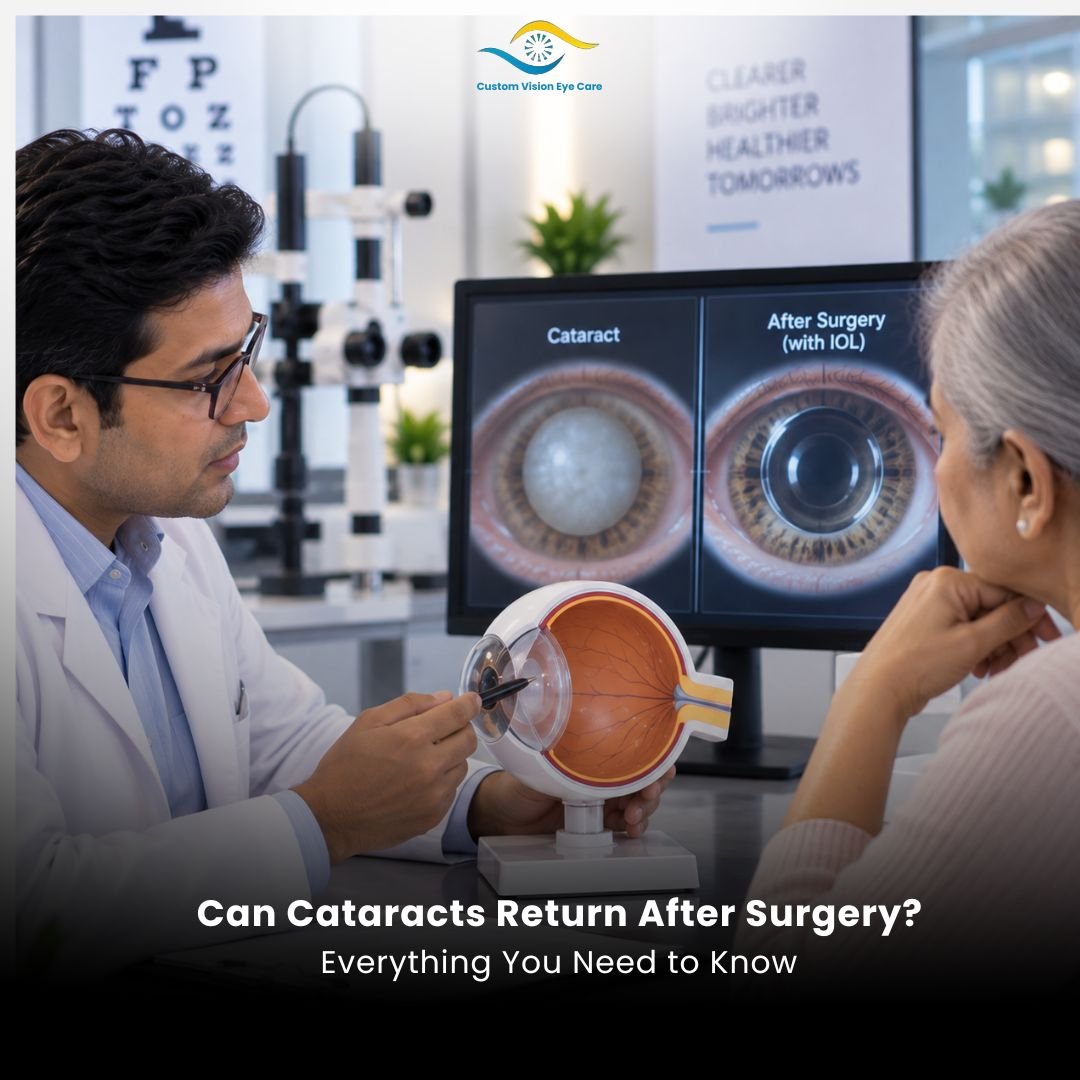
Cataract surgery is a commonly performed procedure that replaces the eye’s cloudy natural lens with an artificial intraocular lens (IOL). Although many people notice improved vision relatively quickly, the eye still needs time to heal.
Knowing what not to do after cataract surgery is an important part of recovery. Activities such as rubbing your eyes, heavy lifting, swimming, or exposing the eye to dust can interfere with healing and may increase the risk of complications.
Here are the key activities and habits you should avoid while recovering from cataract surgery.
- 1. Do Not Rub or Press Your Eyes
One of the most important precautions after cataract surgery is to avoid rubbing, pressing, or touching the operated eye.
It is normal to experience mild irritation, watering, or a gritty sensation during the early recovery period. However, rubbing the eye can introduce bacteria or place unnecessary pressure on the healing tissues.
Use prescribed eye drops as instructed by your ophthalmologist, and contact your doctor if irritation becomes severe or persistent. - 2. Avoid Heavy Lifting and Strenuous Exercise
Heavy lifting and high-intensity exercise may temporarily increase pressure in and around the eyes.
During the initial recovery period, avoid activities such as:
• Heavy weightlifting
• Intense gym workouts
• Running or high-impact exercise
• Strenuous household work
• Activities requiring repeated bending or straining
Your ophthalmologist can tell you when it is safe to gradually return to your normal exercise routine. - 3. Avoid Bending Down Excessively
Frequent or prolonged bending, especially with your head below your waist, may increase pressure in the eye.
If you need to pick something up, try bending at your knees rather than lowering your head suddenly. This precaution is particularly important during the early days following surgery. - 4. Do Not Get Water, Soap or Shampoo Directly Into Your Eye
You can usually maintain normal personal hygiene after cataract surgery, but extra care should be taken around the operated eye.
Avoid allowing soap, shampoo, face wash, or contaminated water to enter the eye.
When washing your face or hair, follow the instructions given by your eye surgeon. Do not splash water directly into the operated eye until your doctor advises that it is safe. - 5. Avoid Swimming
If you are wondering what not to do after cataract surgery, swimming should be high on the list.
Swimming pools, hot tubs, lakes, and other bodies of water can expose the healing eye to microorganisms that may increase the risk of infection.
Wait until your ophthalmologist confirms that your eye has healed sufficiently before returning to swimming. - 6. Avoid Dusty, Smoky and Polluted Environments
Dust, smoke, dirt, and other airborne particles can irritate a healing eye. Try to avoid construction areas, excessive pollution, smoke-filled environments, and activities that generate significant dust during the initial recovery period. If you need to go outdoors, protective glasses or sunglasses may help reduce exposure to wind, dust, and bright sunlight. - 7. Do Not Skip Your Prescribed Eye Drops
Eye drops are an important part of cataract surgery aftercare. Your ophthalmologist may prescribe antibiotic and/or anti-inflammatory eye drops depending on your individual needs. Do not stop, change, or skip prescribed medication simply because your eye feels better. Follow the exact dosage and schedule recommended by your doctor. - 8. Avoid Eye Makeup During Early Recovery
Eye makeup products such as mascara, eyeliner, and eyeshadow can introduce particles or bacteria around the healing eye.
It is generally advisable to avoid eye makeup during the early recovery period and restart it only when your ophthalmologist says it is safe. When you do resume makeup, clean products and applicators are preferable. - 9. Do Not Drive Until Your Doctor Says It Is Safe
Vision may be temporarily blurred after cataract surgery. You may also experience glare, light sensitivity, or changes in depth perception. For these reasons, you should not drive yourself immediately after cataract surgery.
Your ability to resume driving depends on how well your vision recovers and whether you meet the necessary visual requirements. Ask your ophthalmologist when it is safe for you to drive again. - 10. Avoid Unnecessary Screen Strain
Watching television, checking your phone, or using a computer does not normally damage the newly implanted lens, but your eyes may become tired or dry more easily during recovery. If screens feel uncomfortable, reduce screen time, take regular breaks, and avoid prolonged sessions.
Do not force yourself to continue using digital devices if your eye feels strained. - 11. Avoid Sleeping in a Position That Presses the Operated Eye
Your surgeon may recommend using a protective eye shield while sleeping during the initial recovery period. Avoid directly pressing or rubbing the operated eye against your pillow. Follow your surgeon’s specific advice about sleeping position and how long you should use an eye shield. - 12. Do Not Miss Your Follow-Up Appointments
Feeling better does not necessarily mean the healing process is complete. Follow-up examinations allow your ophthalmologist to check the position of the intraocular lens, monitor healing, assess vision, and identify possible complications early. Attend every scheduled follow-up appointment unless your doctor advises otherwise.
How Long Do Restrictions Last After Cataract Surgery?
There is no single recovery timeline that applies to everyone. Many people can return to light everyday activities relatively quickly, while complete healing can take several weeks. Restrictions on strenuous exercise, swimming, driving, and other activities should be based on your surgeon’s assessment of your recovery.
Factors such as your eye health, the surgical technique used, other medical conditions, and how your eye responds to surgery can affect recovery time.
What Can You Usually Do After Cataract Surgery?
Recovery does not necessarily mean complete bed rest. Light daily activities may be possible soon after surgery when your ophthalmologist permits them. Gentle walking, listening to music, light household activities, and limited reading or screen use may be comfortable for many patients.
The key is to protect the operated eye and avoid unnecessary strain or contamination.
Warning Signs You Should Not Ignore
Some mild blurring, irritation, or light sensitivity may occur after cataract surgery. However, certain symptoms require prompt medical attention. Contact your ophthalmologist urgently if you experience severe or increasing eye pain, sudden loss or significant worsening of vision, increasing redness, unusual discharge, flashes of light, or a sudden increase in floaters. Do not wait for your next scheduled appointment if you experience concerning symptoms.
Conclusion
Understanding what not to do after cataract surgery can help support a smoother and safer recovery. Avoid rubbing the eye, heavy lifting, strenuous exercise, swimming, dusty environments, and anything that could introduce water or contaminants into the healing eye. Most importantly, follow the postoperative instructions provided specifically for you rather than relying on a fixed recovery timeline. At Custom Vision Eye Care, Pune, patients undergoing cataract treatment receive individualized guidance on cataract surgery, lens options, postoperative care, and recovery. If you are considering cataract surgery in Pune, a detailed eye examination can help determine the appropriate treatment approach for your vision and eye health.